What is the hardest position in volleyball? Discover which positions are most challenging, the skills each requires, and tips for choosing the right role.
What Is the Hardest Position in Volleyball? (Ranked & Explained)
Ask any volleyball player which role requires the most skill, and you’ll instantly start a heated debate. Middle blockers claim their bodies take the ultimate beating, setters argue they carry the team’s entire mental workload, and liberos will tell you nothing compares to digging 70 mph jump serves.
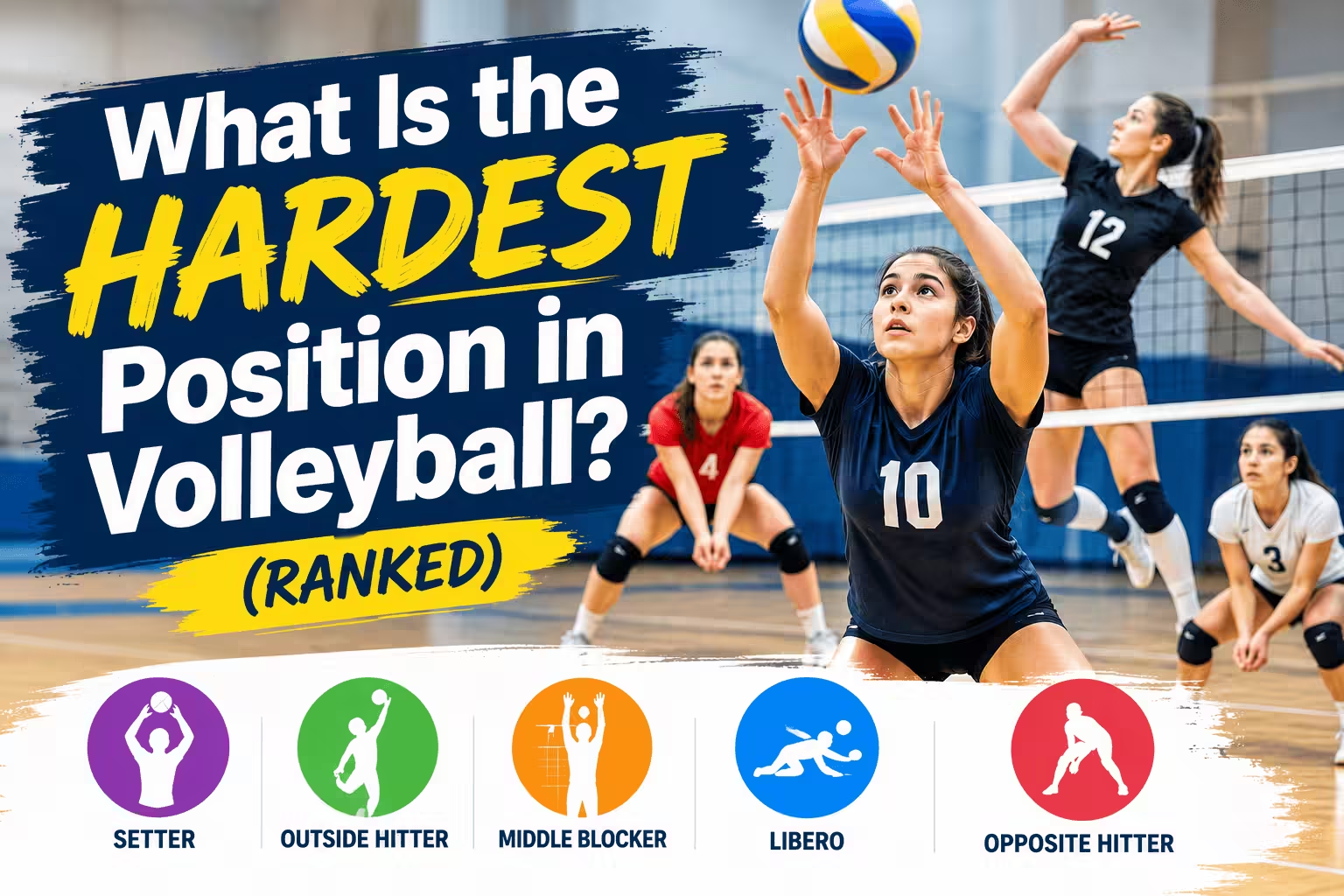
So, what is the hardest position in volleyball? While every role on the court brings unique challenges, breaking down physical demands, tactical complexity, and mental pressure reveals clear differences.
Here is the definitive ranking of volleyball positions from hardest to most accessible—and why each role is crucial to winning games.
1. The Setter: The Quarterback of the Court
Primary Challenge: Mental load, decision-making, and high-pressure execution.
Most coaches and analysts agree: the setter is the hardest position to play in volleyball.
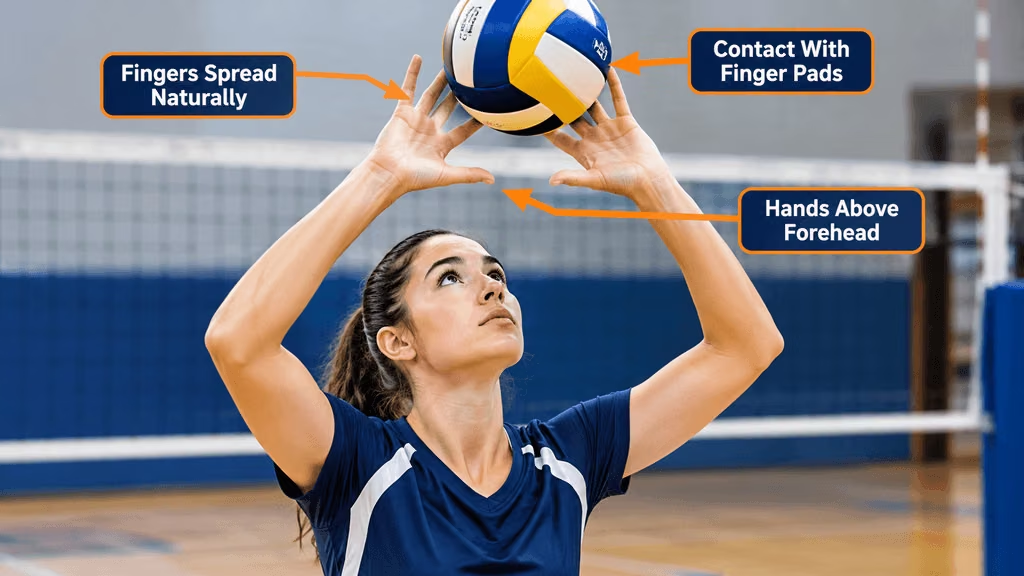
Why It’s the Hardest:
- Constant Involvement: The setter touches the ball on almost every single offensive play.
- Tactical Decision-Making: In a fraction of a second, a setter must evaluate the opponent’s block, read defense positioning, track hitter momentum, and deliver a precise set.
- Physical Range: Setters must track down bad passes anywhere on the court and make high-accuracy sets out-of-system.
- Leadership & Accountability: When an attack fails, the setter often shoulders the responsibility for set location and tempo.
2. Middle Blocker: The Most Physically Demanding Role
Primary Challenge: Constant jumping, fast-reaction lateral movement, and high-speed transitions.
If setting is the hardest mental position, middle blocker is undoubtedly the most physically brutal.
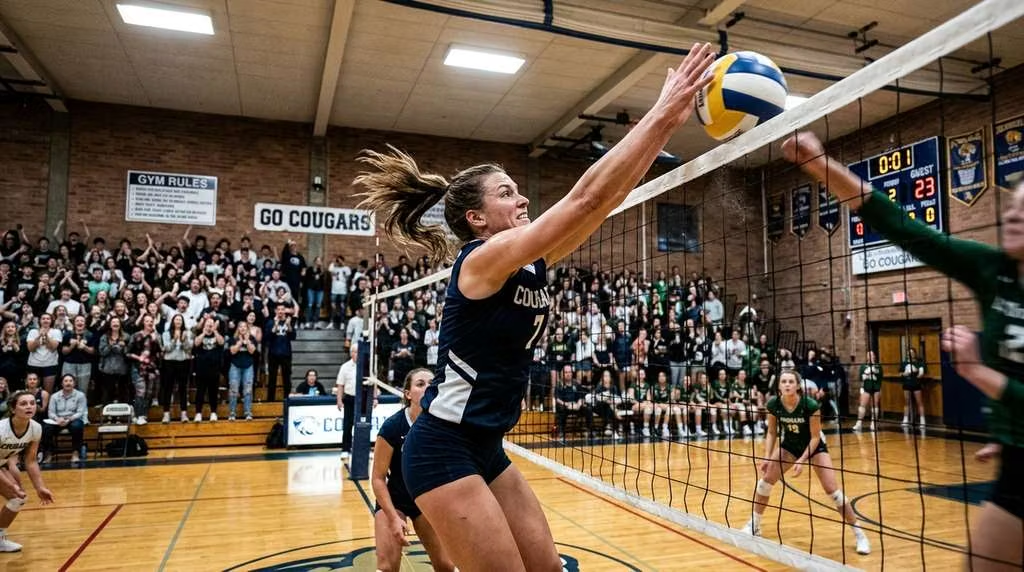
Why It’s So Tough:
- Jump Volume: Middle blockers jump on nearly every play—whether blocking an opponent’s attack or jumping as a decoy on offense.
- Lateral Explosiveness: Middies must sprint sidewards along the net to close blocks on both outside and opposite hitters.
- Split-Second Reading: They have less than half a second to read the opposing setter’s hands and react before the ball is set.
3. The Libero: Defensive Specialist Under Non-Stop Fire
Primary Challenge: Reaction time, floor defense, and serve receive pressure.
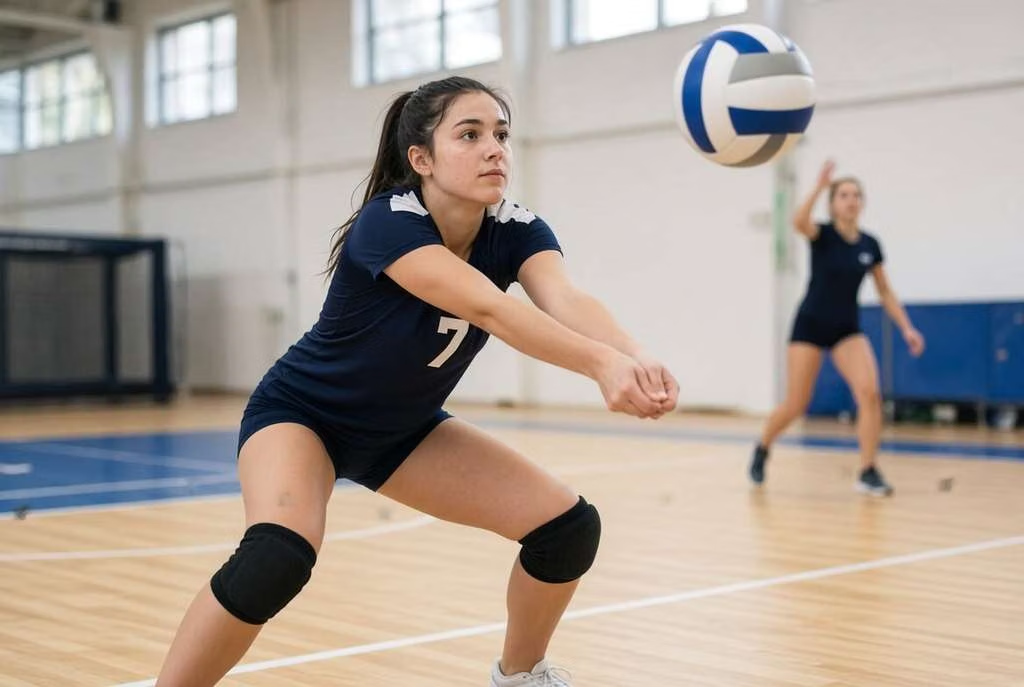
Wearing a contrasting jersey, the libero is the defensive anchor of the team. While they don’t jump at the net, their role carries intense pressure.
Why It’s Crucial:
- High-Speed Defense: Liberos absorb hard spikes and dangerous jump serves traveling over 60–70 mph.
- Floor Coverage: They are expected to dig balls out of the deep corners and pancake fast-dropping shots before they hit the floor.
- Backup Setter: If the primary setter digs the first ball, the libero steps in as the secondary setter.
4. Outside Hitter (OH): The All-Around Workhorse
Primary Challenge: Balancing heavy offensive volume with primary serve-receive duties.
The Outside Hitter is typically the team’s primary scorer, especially when the pass is out-of-system.
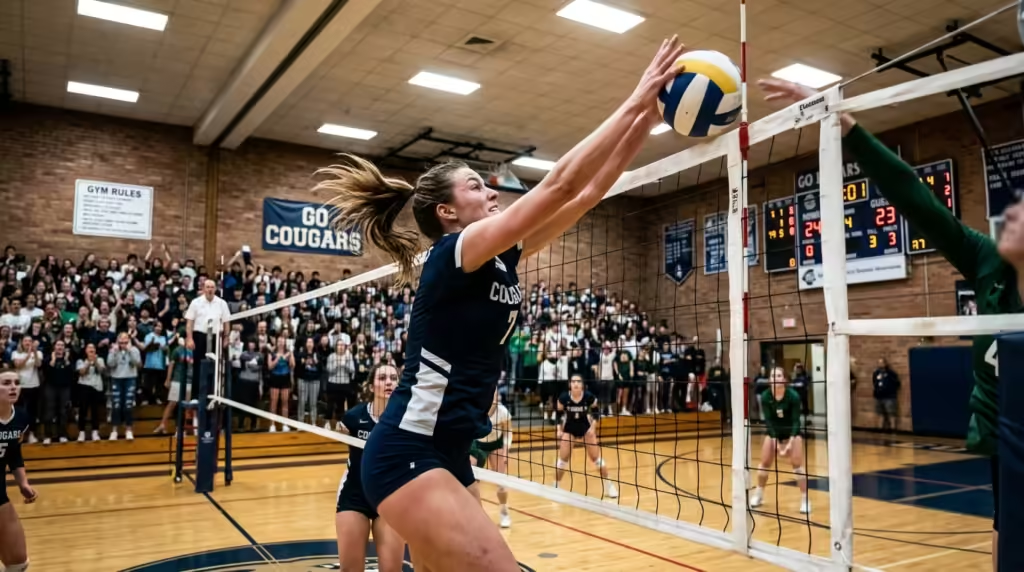
What Makes It Challenging:
- High Attack Volume: OHs get the majority of sets, particularly high-out-of-system balls facing a full double block.
- Six-Rotation Demands: Unlike specialists, many outside hitters stay on the court for all six rotations, passing in serve receive and defending in the back row.
5. Opposite Hitter (Right Side): The Blocking & Scoring Wall
Primary Challenge: Blocking the opponent’s outside hitter and scoring from the right side.
Key Demands:
- Net Defense: Responsible for setting the block against the opposing team’s strongest hitter (the outside hitter).
- Unconventional Angles: Attacking from the right side as a right-handed player requires specialized body control and footwork. For more official youth training standards and age-specific rules, check out the USA Volleyball coaching guidelines
Summary: Which Position Should You Play?
| Position | Primary Focus | Best Suited For |
| Setter | Game Strategy & Set Tempo | High IQ, calm under pressure, natural leaders |
| Middle Blocker | Blocking & Fast Attack | Tall, explosive, high stamina |
| Libero | Serve Receive & Defense | Fast reflexes, fearless, agile movers |
| Outside Hitter | Scoring & Passing | Versatile, high endurance, powerful attackers |
| Opposite Hitter | Blocking & Right-Side Attacks | Strong jumpers, solid blockers, clutch scorers |
Every role in volleyball demands specific skills and dedication. While the setter takes top spot for mental complexity and the middle blocker for physical demand, mastering any position requires hundreds of reps and dedicated training.
If you want to take these individual exercises and put them into a structured routine, check out this Winning Volleyball Weekly Training Program for Beginners to stay consistent all week long.