
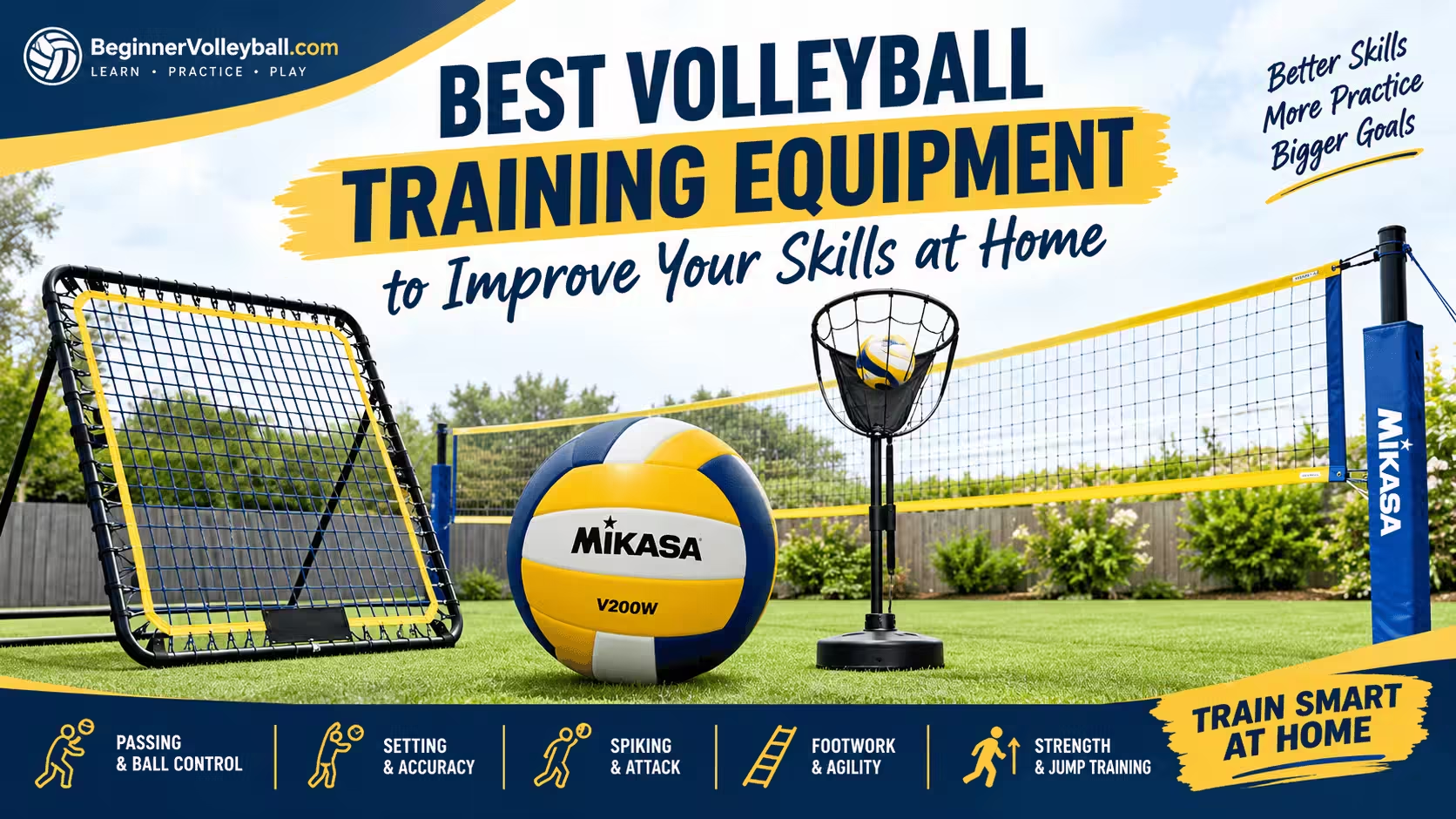
Want to improve your volleyball skills without spending hours at a gym or waiting for a teammate? The right volleyball training equipment can help you practice passing, setting, serving, spiking, footwork, and jumping right at home.
Best Volleyball Training Equipment to Improve Your Skills at Home
Whether you’re a beginner learning the fundamentals or an experienced player looking to sharpen your technique, training consistently is the key to progress. Fortunately, you don’t need an expensive facility to get started. A volleyball, a rebounder, a training net, and a few simple practice tools can help you build a productive home training routine.
In this guide, we’ll explore the best volleyball training equipment for home practice, compare useful training aids, and help you choose the right gear for your space, budget, and skill level.
Quick Picks: Best Volleyball Training Equipment for Home
Here are our top equipment categories to consider before you start shopping.
| Training goal | Recommended equipment |
|---|---|
| Practice passing and ball control | Volleyball rebounder |
| Improve setting technique | Setter training net or target hoop |
| Practice spiking | Adjustable spike trainer |
| Practice serving and ball contact | Volleyball and serve trainer belt |
| Improve footwork | Agility ladder and training cones |
| Develop jumping power | Jump resistance bands |
| Practice in the backyard | Portable volleyball net system |
| Add cushioning during floor drills | Volleyball knee pads and elbow pads |
| Practice quietly indoors | Soft foam volleyball and serve trainer belt |
Product availability, prices, and features may change. Check the latest product listing before purchasing.
1. Volleyball Rebounder: Best for Passing and Ball Control
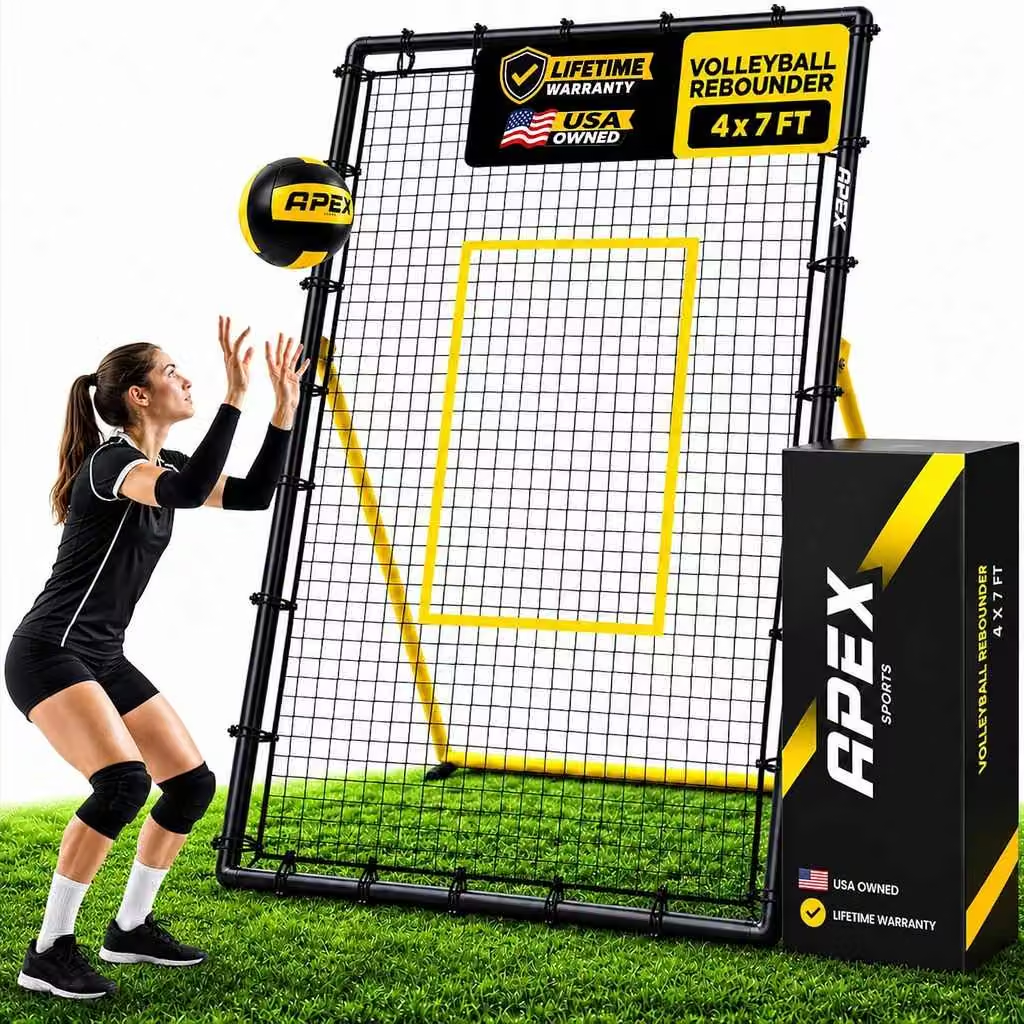
A volleyball rebounder is one of the most useful tools for players who want to practice without a partner. It returns the ball after contact, allowing you to repeat drills and work on your consistency.
Recommended product: Volleyball Rebounder, Adjustable Angle 7×4 ft Bounce Back Net
This adjustable-angle rebound net is worth considering if you want to practice passing, ball control, and reaction skills in your backyard or another suitable training space.
Why consider it?
- Practice repeated ball contacts on your own.
- Work on passing accuracy and reaction time.
- Adjust the rebound angle to vary your drills, where supported by the model.
- Reduce the need to retrieve a ball after every repetition.
Best for: Beginners and intermediate players who want more consistent practice at home.
2. Volleyball Training Equipment Aid for Practice
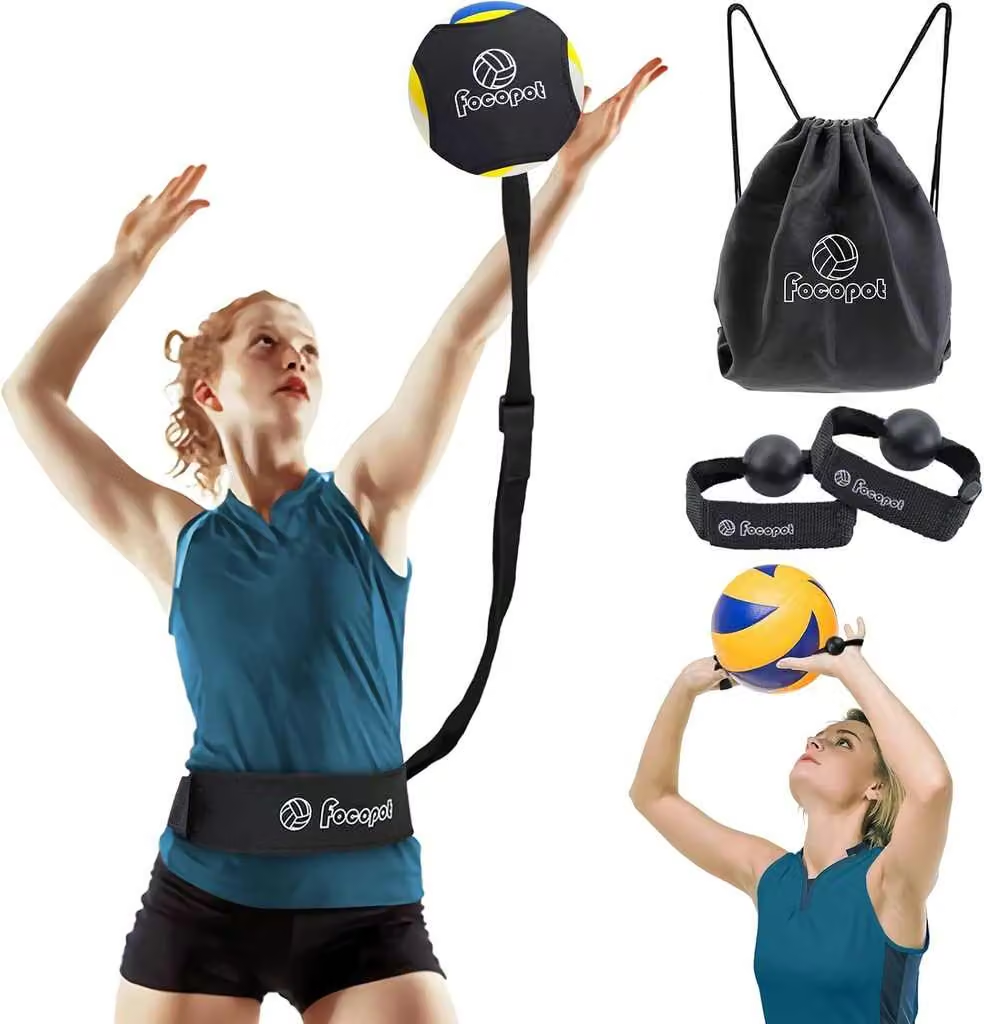
Not every training session needs complicated equipment. Simple volleyball training aids can help you focus on specific movements, coordination, and ball-control fundamentals.
Recommended product: Volleyball Training Equipment Aid for Volleyball Training & Practice
Consider this type of training aid if you want to add variety to your regular practice sessions. Before buying, check the exact product listing to confirm which skills the equipment supports.
Potential benefits:
- Add variety to individual drills.
- Support skill-focused practice.
- Help organize a repeatable home training routine.
- Complement regular volleyball practice and coaching.
Best for: Players building a basic collection of training equipment.
Explore volleyball training aids on Amazon
3. Backyard Volleyball Net System: Best for Outdoor Practice
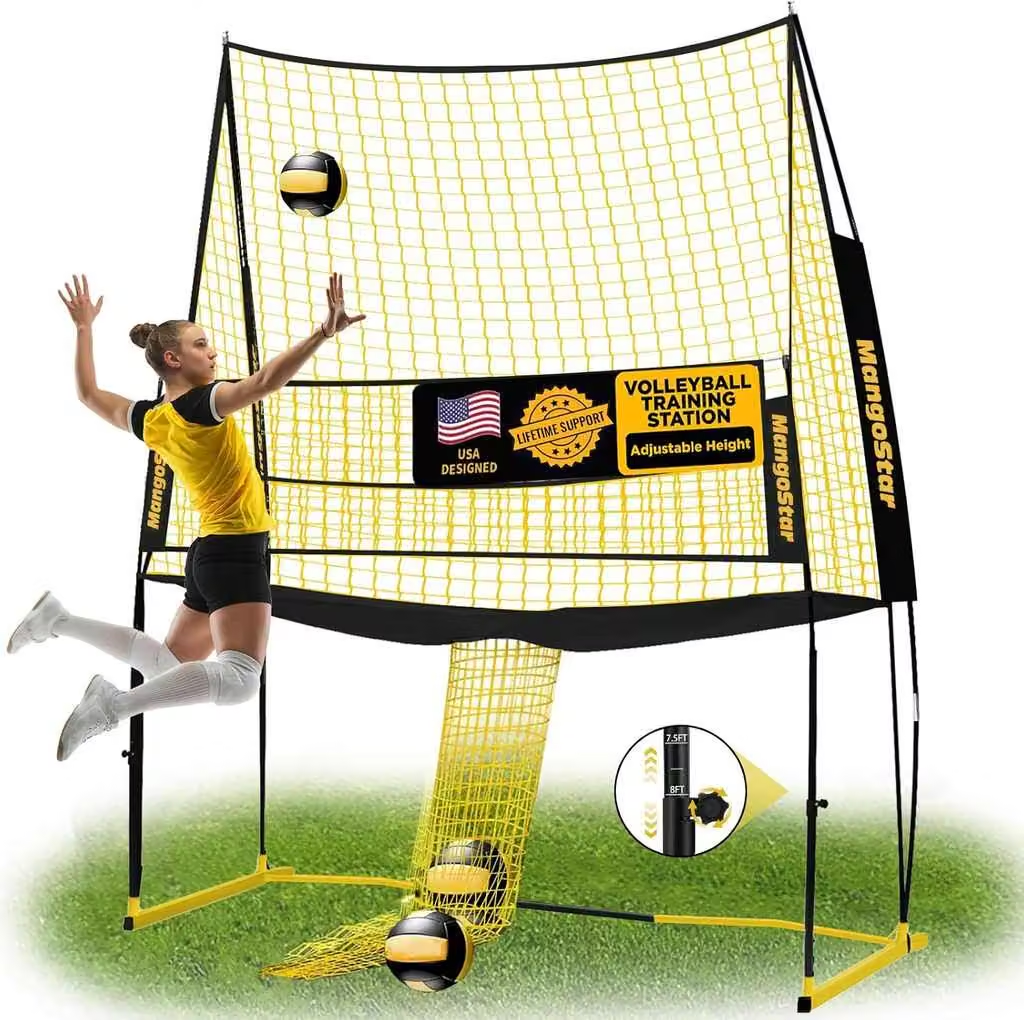
If you have a backyard, garden, or suitable outdoor area, a volleyball net system can turn it into a practical space for serving, passing, setting, and recreational games.
Recommended product: Volleyball Training Equipment, Volleyball Net System for Backyard
A backyard net system is a good option for players who want to practice with family members, friends, or teammates outside a formal court.
Why it may be useful:
- Create a dedicated outdoor practice area.
- Practice serving and basic rallies.
- Encourage regular play with friends and family.
- Combine individual drills with game-like practice.
Check the dimensions, installation requirements, net tension, and included accessories before purchasing.
Check backyard volleyball net options
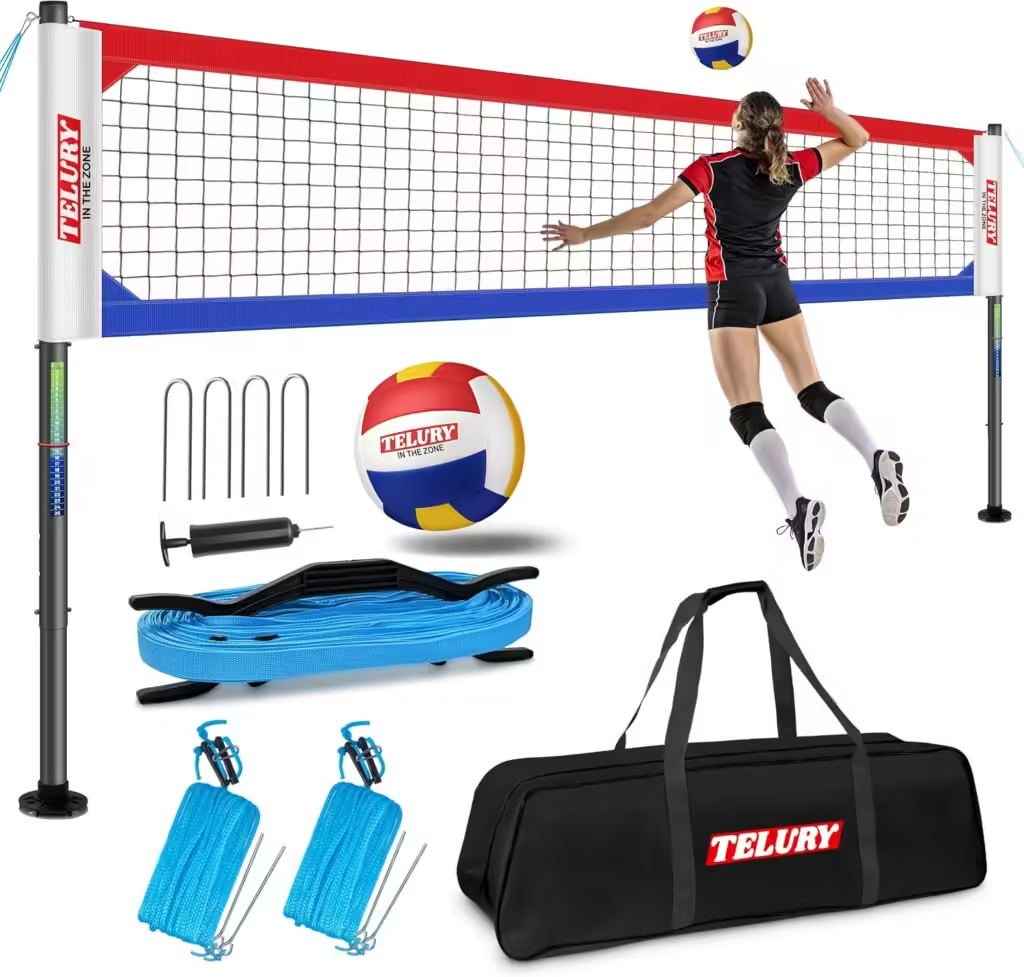
4. Adjustable-Height Volleyball Net System
Different players and drills may require different net heights. An adjustable-height volleyball net system can provide more flexibility for practice at home.
Recommended product: Volleyball Training Net Equipment System with Adjustable Height
This type of net system is worth considering if you want to work on serving, hitting, and recreational play in a flexible training space.
Key considerations:
- Height adjustment options.
- Stability during practice.
- Available court or backyard space.
- Assembly requirements and portability.
Best for: Families, recreational players, and beginners who want a versatile practice setup.
View adjustable-height volleyball net systems
5. Volleyball Setter Trainer: Best for Setting Technique
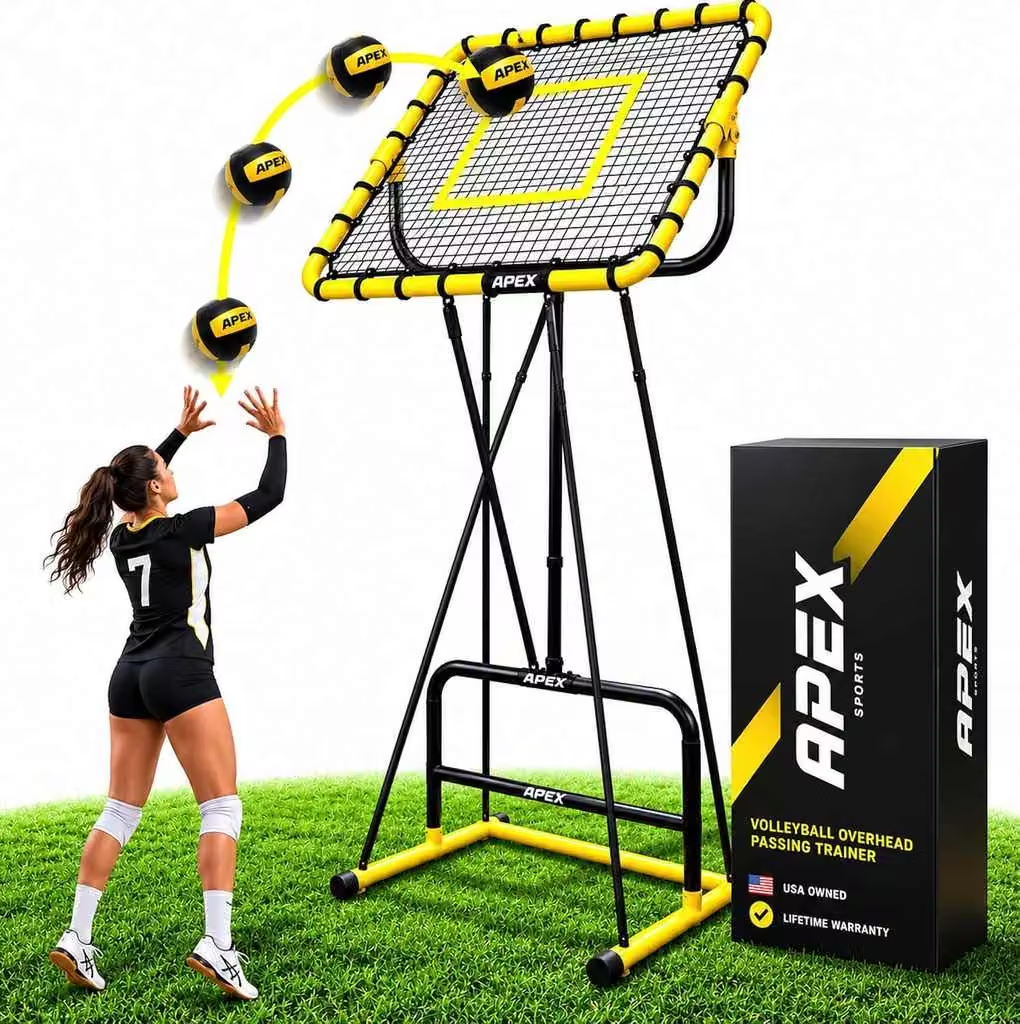
Setting requires controlled hand contact, coordination, positioning, and consistent ball placement. A setter trainer can help you repeat setting movements and work on accuracy.
Recommended product: Volleyball Setter Trainer, Adjustable 6–11 ft, 46-Inch Tensioned Net
This training system is designed around setter practice. Its listed adjustable height range and tensioned net make it a product to investigate if you want a dedicated setting station.
Why consider a setter trainer?
- Focus on setting movements.
- Practice ball placement and consistency.
- Repeat drills without needing a full court.
- Incorporate targeted repetitions into your daily routine.
Remember that equipment alone cannot teach proper technique. Combine your drills with instruction and video feedback when possible.
Check the adjustable volleyball setter trainer
6. Setter Training Net with Target Hoop
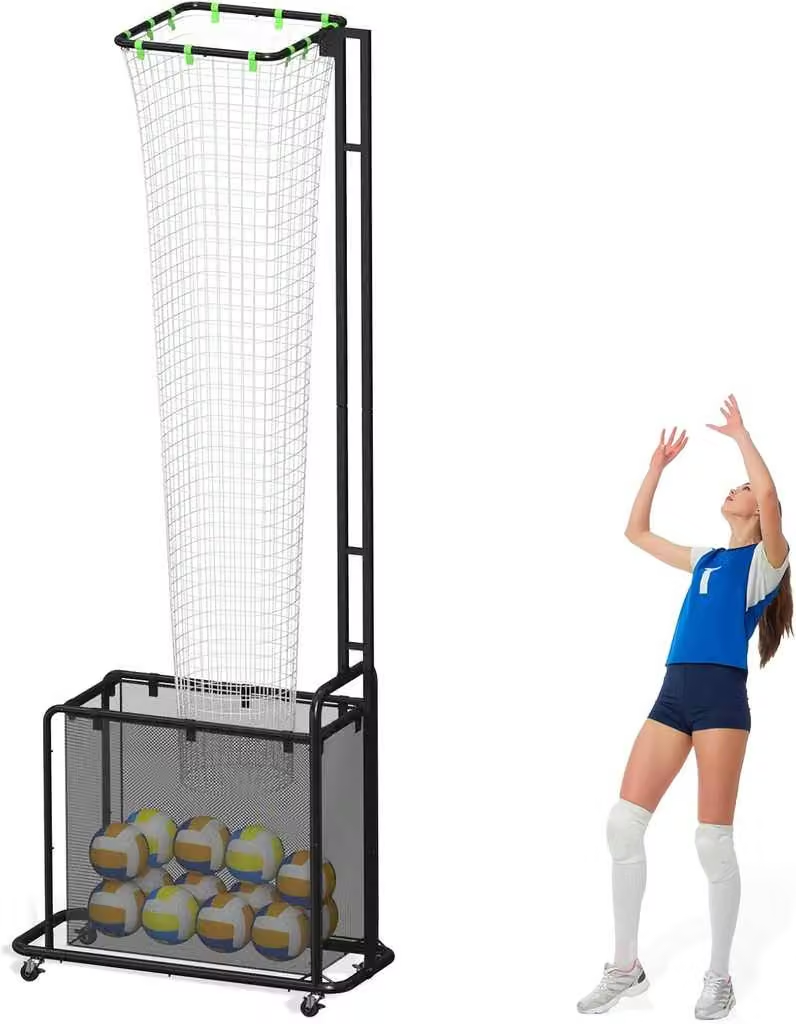
Setting to a target is an effective way to make practice more measurable. Instead of simply sending the ball upward, you can work toward a defined target and monitor your consistency.
Recommended product: Volleyball Setter Training Equipment, Setting Trainer Net with Target Hoop, 5 Angles Adjustable, Height
This product’s listed target hoop and five adjustable angles make it an option to consider for focused setting practice. Confirm the actual adjustment mechanism and included accessories on the seller’s page.
Why it may be worth considering:
- Work on aiming and placement.
- Practice setting toward a target.
- Vary your drills using the available angle settings.
- Build a more structured solo-practice routine.
Best for: Players who want to focus on setting accuracy and repeatable technique.
Check the setter training net with target hoop
7. Vertical Jump Resistance Bands: Best for Jump Training
Jumping plays an important role in blocking and attacking. However, jumping higher involves strength, technique, coordination, and appropriate recovery—not just using resistance equipment.
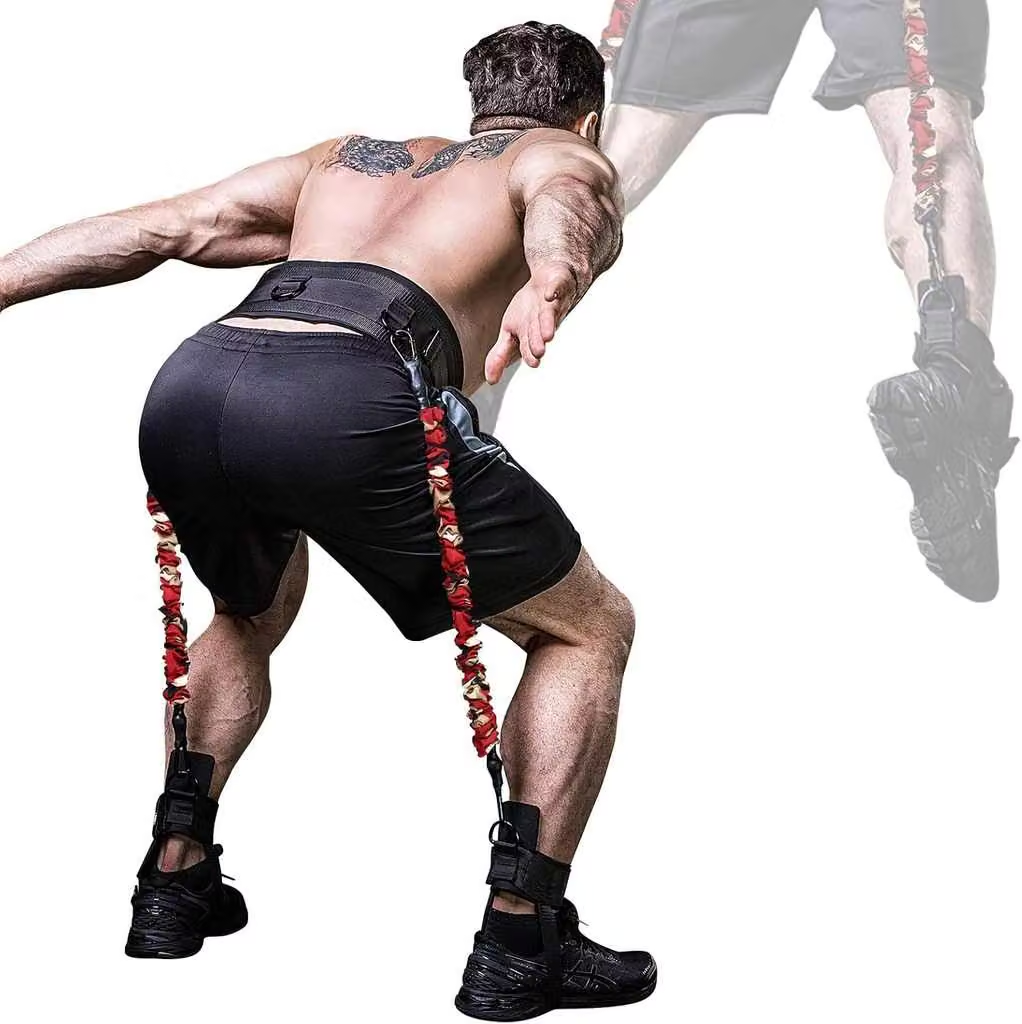
Recommended product: Vertical Jumping Trainer Jump Resistance Bands Leg Strength Basketball Volleyball
These resistance bands are marketed for jump-related training and leg-strength exercises. Review the product’s intended use, resistance level, and safety instructions before incorporating them into your routine.
Potential advantages:
- Add resistance-based exercises to a training program.
- Complement lower-body strength work.
- Provide variety in athletic training.
- Support a structured approach to developing jumping skills.
Use resistance bands only as directed and inspect them for damage before every session. If you’re new to strength training, learn the movements first and increase difficulty gradually.
Explore vertical jump resistance bands
8. Adjustable Volleyball Spike Trainer
Spiking requires more than hitting the ball hard. Players need coordinated footwork, a well-timed jump, appropriate arm mechanics, and consistent contact.
Recommended product: Adjustable Volleyball Spike Trainer, Portable Hitting Trainer & Foam Hook
A portable hitting trainer can provide a more controlled environment for practicing elements of the attacking motion. Check the product instructions to understand how the foam hook and height adjustments are intended to be used.

Potential benefits:
- Practice your approach and hitting movement.
- Work on arm-swing coordination.
- Repeat attack-related drills.
- Include technique practice in your home training routine.
Best for: Players developing their attacking skills who have enough safe overhead space.
Explore adjustable volleyball spike trainers
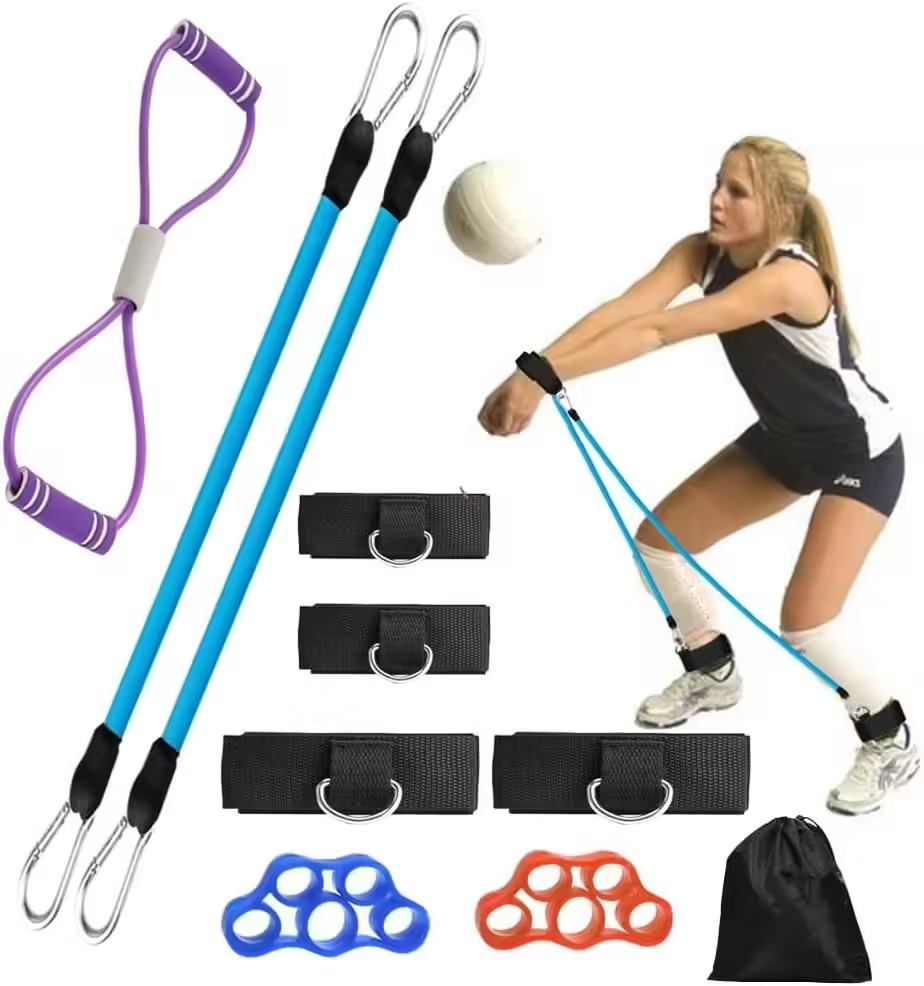
9. Volleyball Passing Trainer with Resistance Bands
Passing is a foundational volleyball skill. A passing trainer with resistance bands may help you add structured resistance or movement-focused exercises to your practice.
Recommended product: Volleyball Passing Trainer with Resistance Bands
Before using resistance equipment, understand its intended setup and resistance level. Prioritize controlled movements rather than forcing your arms or shoulders into uncomfortable positions.
Why consider it?
- Add variety to passing-focused training.
- Practice controlled movements.
- Complement regular forearm-passing drills.
- Build a more organized individual practice session.
Best for: Players who want an additional training aid for passing technique and coordination.
Check volleyball passing trainers with resistance bands
10. Mikasa V200W Volleyball: Best for Ball-Contact Practice
A quality volleyball is one of the most important pieces of equipment you can own. Even if you use several specialized training aids, you’ll still need a suitable ball to practice the sport’s basic skills.
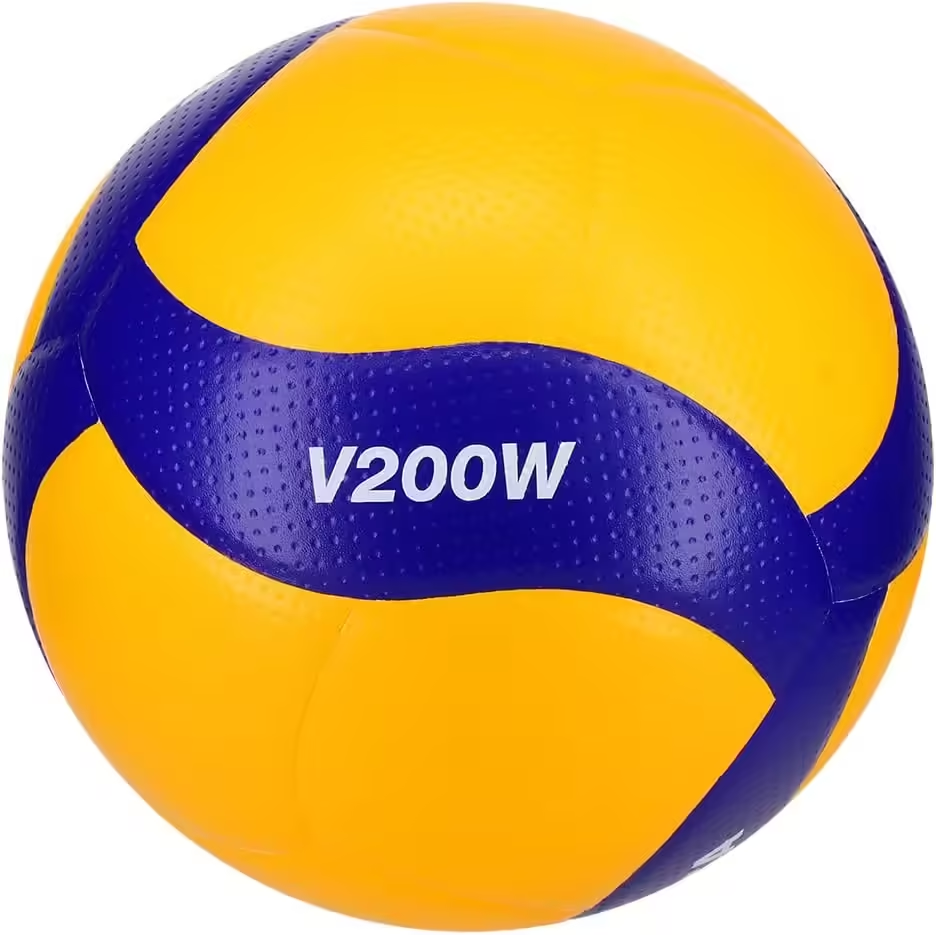
Recommended product: Mikasa V200W Volleyball
The Mikasa V200W is a competition-oriented volleyball model. It may be a good option for players looking for a ball associated with high-level indoor volleyball.
Why choose a dedicated volleyball?
- Practice serving, passing, setting, and hitting.
- Develop familiarity with ball contact.
- Perform drills that transfer to regular indoor play.
- Build a consistent practice routine using the same ball.
Check the official specifications and seller listing to confirm the model, size, and authenticity. A competition-level ball may be more than a beginner needs, so compare your budget and training goals before buying.
Check the Mikasa V200W on Amazon
11. Safe Sport Gear Softy Volleyball: Best for Gentle Practice
Some beginners prefer a softer ball when learning basic contact techniques. A softer ball may make introductory practice more comfortable, although it will feel different from a regulation volleyball.
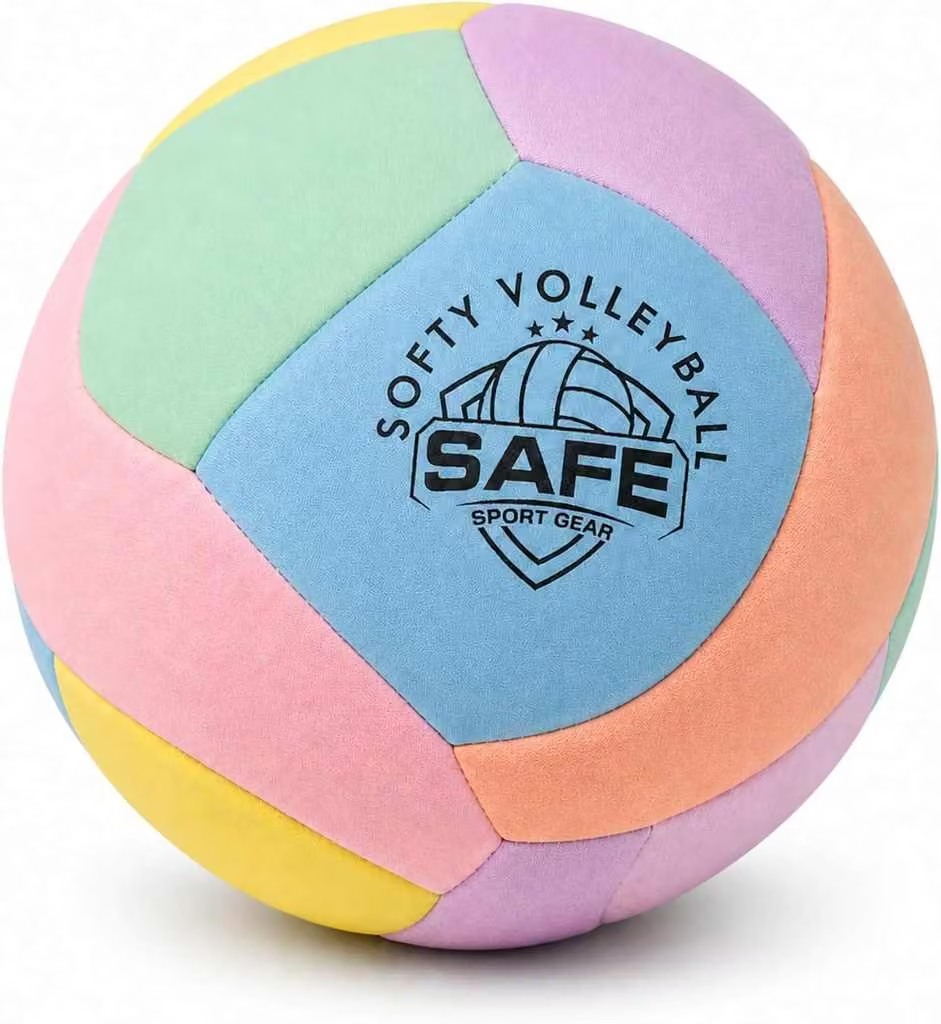
Recommended product: Safe Sport Gear Softy Volleyball – Super Soft Designed for Pain-Free Play
This product is marketed as a super-soft volleyball. Consider it for introductory drills or casual practice where a softer ball is appropriate.
Potential benefits:
- A softer option for basic ball-contact exercises.
- Useful for introductory practice sessions.
- An alternative to a standard ball for certain recreational activities.
Important: A soft training ball will not reproduce the exact feel or flight of a regulation volleyball. Progress to a regulation ball as your skills and comfort develop.
Check the Safe Sport Gear Softy Volleyball
12. Silent Foam Volleyball and Serve Trainer Belt
Practicing at home can be difficult if you live in an apartment or share walls with neighbors. A foam ball and tethered training belt may help you practice certain movements with less noise and fewer ball-retrieval interruptions.
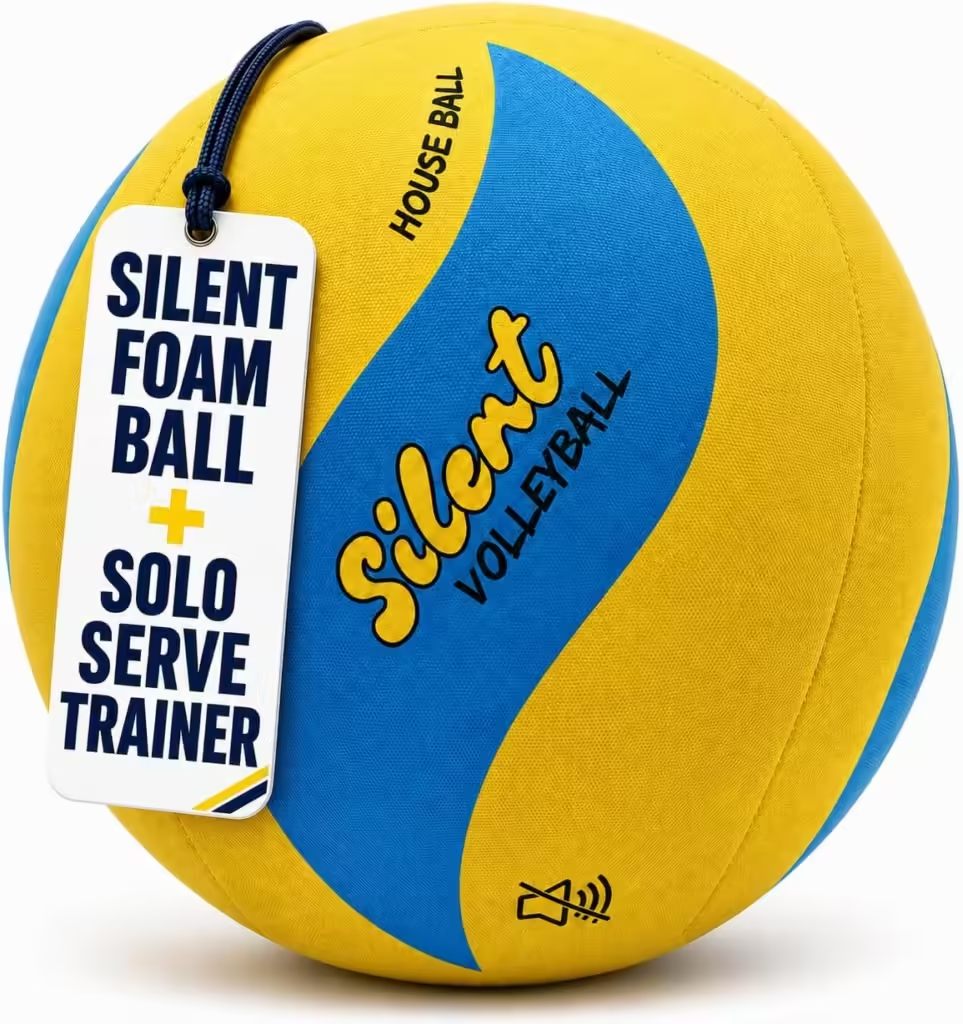
Recommended product: Silent Foam Volleyball & Serve Trainer Belt, True Quiet Play
This combination is worth considering for quieter, space-conscious practice. Check which components are included and whether the ball and tether are designed to work together.
Why consider it?
- Potentially quieter than a conventional volleyball.
- Convenient for selected solo drills.
- Reduces the need to retrieve the ball after each repetition.
- Useful when noise and space are practical concerns.
A tethered ball behaves differently from a free-flying volleyball. Use it to supplement—not replace—regular ball practice.
Explore silent foam volleyball and serve trainer belts
13. Volleyball Training Equipment with an Adjustable Spike or Practice Setup
When comparing specialized volleyball training equipment, look beyond the product name. The most useful tool is the one that addresses a specific weakness in your game.
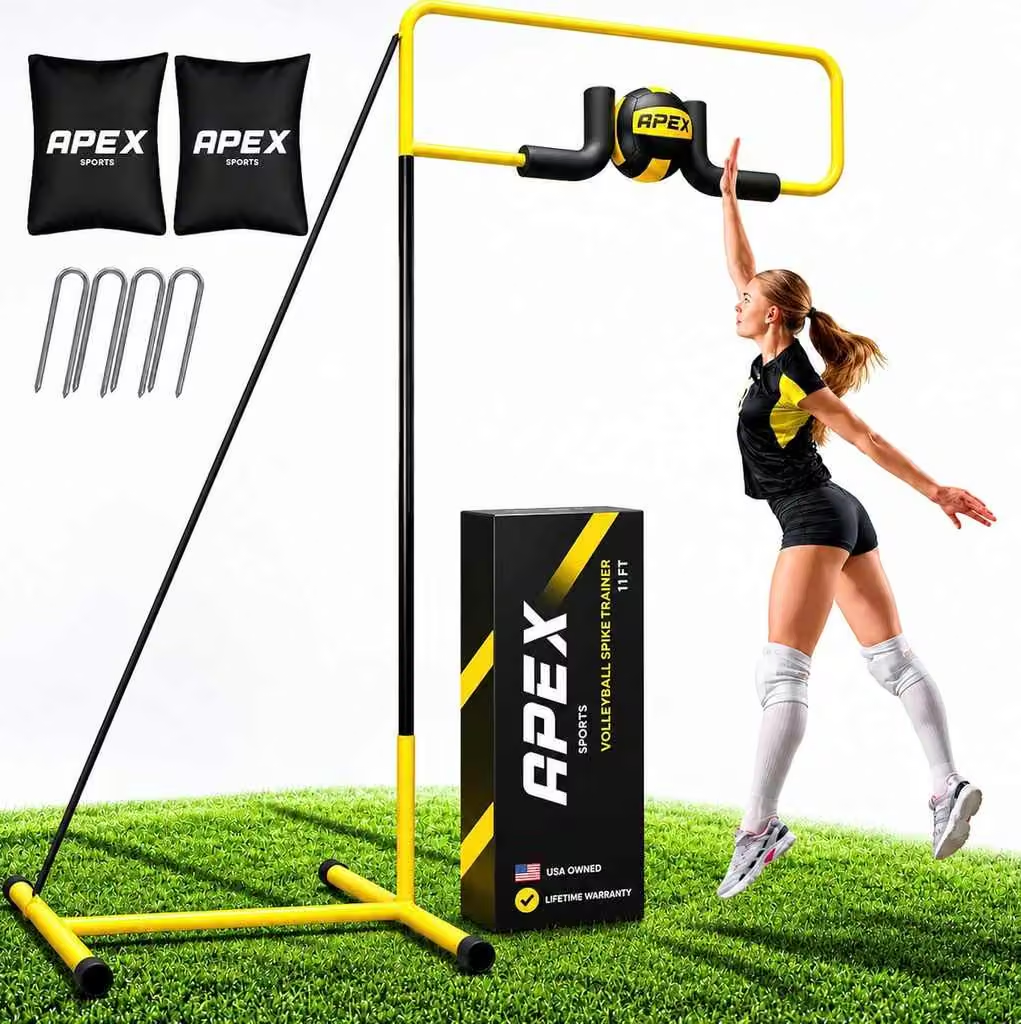
For example, if you struggle with ball control, a rebounder may be more useful than a spiking device. If you want to practice attacking mechanics, a hitting trainer may be a better investment.
Before buying a specialized training aid, ask:
- Which skill will I practice with it?
- Can I use it safely in my available space?
- Is it adjustable for my height and experience?
- Can I measure improvement with repeated drills?
- Will it complement the equipment I already own?
Choosing equipment around your training needs helps prevent unnecessary spending.
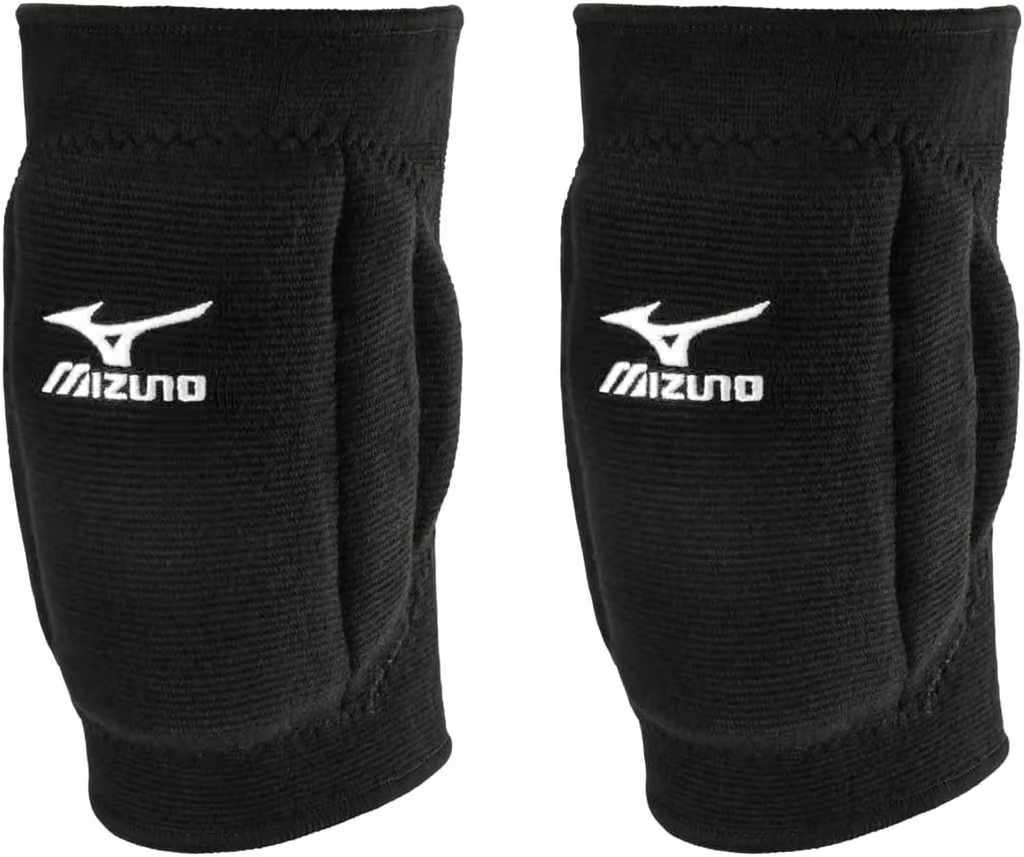
14. Mizuno T10 Plus Kneepad: Best for Floor-Based Drills
Defensive volleyball practice often involves low positions, quick changes of direction, and contact with the floor. Knee pads can add cushioning during these movements.
Recommended product: Mizuno T10 Plus Kneepad, Adult & Youth
The Mizuno T10 Plus is a volleyball kneepad option to consider for players who want knee coverage during practice and matches.
Why consider knee pads?
- Add cushioning during floor contact.
- Support comfort during defensive drills.
- Help make repeated kneeling and digging practice more comfortable.
- Provide a practical addition to a volleyball gear bag.
Choose a suitable size and check the fit before playing. Knee pads do not eliminate the risk of bruises or other injuries, and proper technique remains important.
Check Mizuno T10 Plus knee pads
15. Tandem Sport Volleyball Elbow Pads
Your knees are not the only areas that may contact the floor during volleyball practice. Elbow pads can be useful for players who want additional cushioning during certain defensive drills.
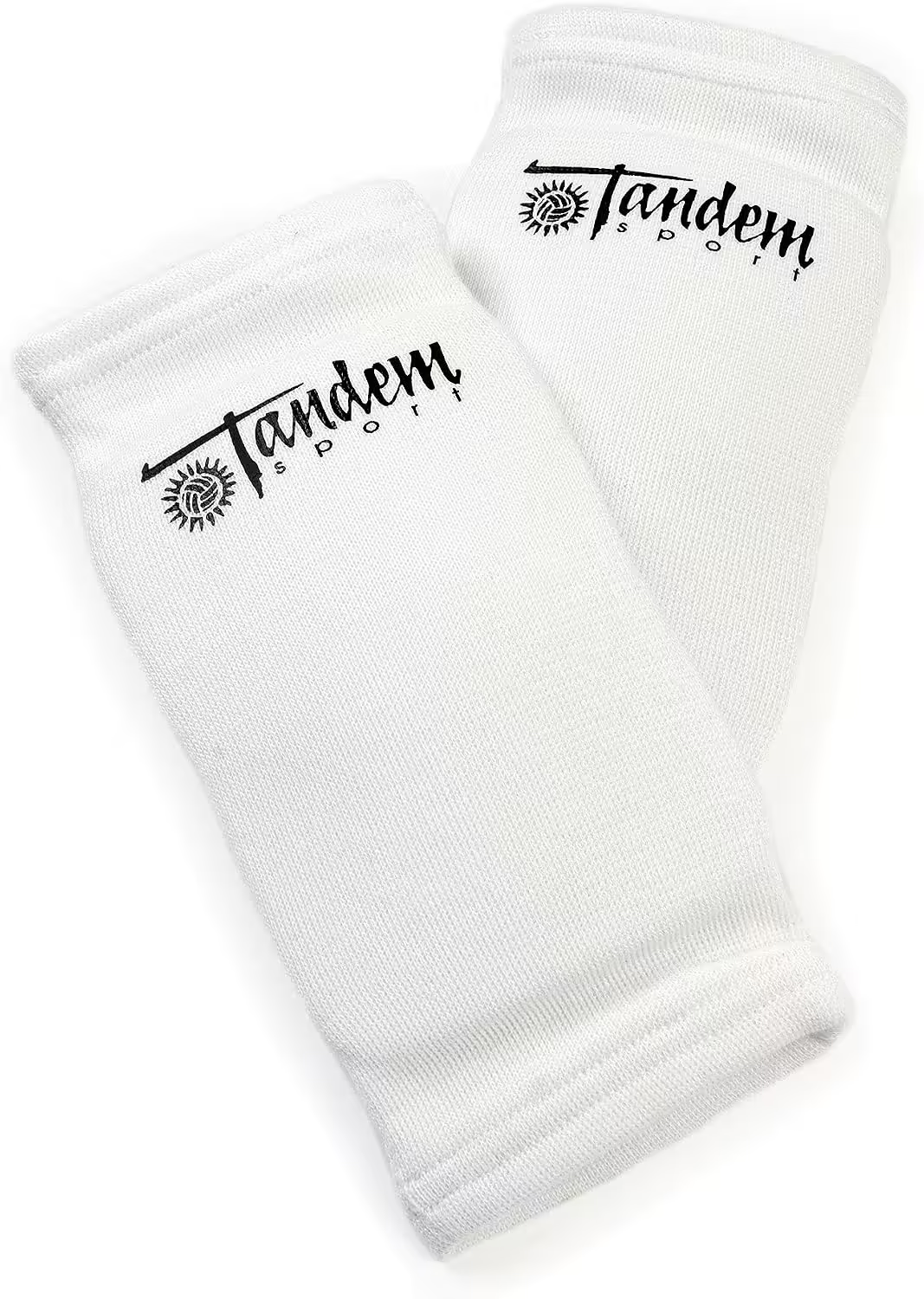
Recommended product: Tandem Sport Volleyball Elbow Pads – Volleyball Pads for Floor Burns and Bruises
These elbow pads are designed for volleyball-related protection. Consider them if your training includes floor-contact drills and you want extra coverage.
Potential benefits:
- Cushioning for selected floor-contact movements.
- An additional protective option for defensive practice.
- A useful complement to knee pads when appropriate.
Check the sizing, coverage, and comfort before purchasing. Protective pads should fit securely without restricting movement.
Explore Tandem Sport volleyball elbow pads
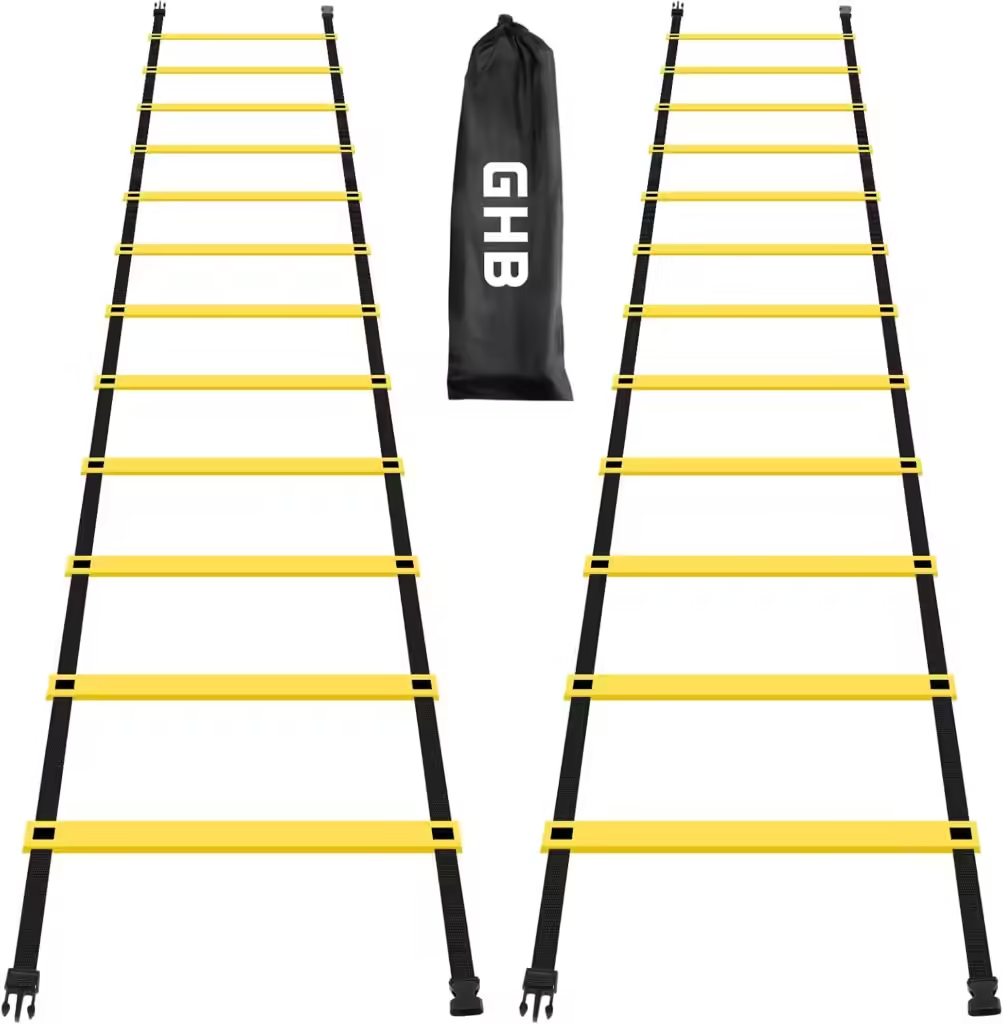
16. GHB Pro Agility Ladder: Best for Footwork and Coordination
Volleyball players need quick, controlled movements to get into position for passing, blocking, setting, and attacking. Footwork drills can help you practice coordination and movement patterns.
Recommended product: GHB Pro Agility Ladder, 12 Rung, 20 ft
An agility ladder provides a simple way to organize footwork drills in a suitable indoor or outdoor space.
Why consider an agility ladder?
- Practice coordinated foot placement.
- Add movement drills to your warm-up.
- Work on changing direction under control.
- Build a repeatable footwork routine.
Start slowly and prioritize accurate movement before increasing speed. Ladder drills are not a substitute for volleyball-specific positioning practice, but they can complement it.
Check the GHB Pro Agility Ladder
How to Choose the Best Volleyball Training Equipment for Your Home
With so many options available, buying everything at once is rarely necessary. Start with your main goal and build your equipment collection gradually.
Choose equipment based on your skill level
For beginners: Start with a suitable volleyball, a clear practice space, and knee pads if you need them. A soft training ball may help with selected introductory drills.
For players improving ball control: Consider a rebounder or a passing trainer that suits your space.
For setters: Look into a setter trainer net or target hoop to practice placement and consistency.
For attackers: A spike trainer may be useful for selected hitting drills. Combine it with proper approach mechanics and supervised technique work when possible.
For outdoor practice: A backyard volleyball net system offers more opportunities for rallies and serving practice.
For athletic development: Consider an agility ladder or suitable resistance equipment to complement your volleyball drills.
Check your available space
Measure your training area before ordering large equipment. A rebounder or full net system requires considerably more space than a ball or a set of knee pads.
Make sure there is enough room to move, jump, and swing without hitting furniture, lights, windows, or other obstacles. Outdoor setups should be installed on suitable ground and secured according to the manufacturer’s instructions.
Compare price, durability, and versatility
A product that supports several useful drills may offer better value than a specialized item you’ll rarely use.
Before buying, compare:
- Current price and shipping costs.
- Materials and construction.
- Assembly and storage requirements.
- Adjustability and included accessories.
- Product dimensions and warranty information.
- Verified customer feedback and return policies.
A Simple 30-Minute Home Volleyball Training Routine
You don’t need an elaborate setup to start practicing. Try this beginner-friendly routine using equipment you already own.
| Time | Drill | Suggested equipment |
|---|---|---|
| 5 minutes | Gentle warm-up and movement | Open space |
| 5 minutes | Forearm passing practice | Volleyball or suitable rebounder |
| 5 minutes | Setting technique | Volleyball or setter trainer |
| 5 minutes | Serving or ball-control practice | Volleyball and suitable practice area |
| 5 minutes | Footwork and positioning | Agility ladder or marked floor space |
| 5 minutes | Cool-down and technique review | Open space |
Adjust the routine to your fitness and skill level. If you’re working on spiking or jump training, replace part of the session with appropriate technique practice rather than adding excessive jumping to every workout.
Stop if you experience pain, and allow enough recovery between demanding sessions.
Frequently Asked Questions
What is the best volleyball training equipment for beginners?
A suitable volleyball is the best starting point for most beginners. From there, consider a rebounder for solo ball control, a setter trainer for setting practice, or a portable net for outdoor play. Choose equipment that supports the skill you most want to improve.
Can I practice volleyball alone at home?
Yes. You can practice ball control, setting movements, serving technique, footwork, and certain hitting movements on your own. A rebounder or suitable training aid can make solo practice more productive. Make sure you have enough space and use equipment as directed.
What equipment helps improve volleyball setting?
A volleyball and a consistent practice routine are essential. A setter trainer net or target hoop can add a clear target for accuracy drills. Focus on balanced positioning, controlled contact, and consistent ball placement.
What is the best equipment for practicing volleyball spikes?
A suitable spike trainer can help you repeat elements of the attacking motion. However, good spiking also requires approach timing, jump mechanics, arm-swing coordination, and proper contact. Combine equipment-based drills with sound instruction.
Are volleyball rebounders worth buying?
A rebounder can be a worthwhile investment if you practice alone regularly. It lets you repeat ball-control drills without a partner. Before purchasing, consider the size, adjustable features, stability, and amount of space you have available.
Can I use a regular volleyball indoors?
Yes, if you have enough room and the environment is suitable. However, a standard volleyball can create noise or damage nearby objects. A soft foam ball may be more appropriate for selected indoor drills, though it will not behave exactly like a regulation ball.
Do I need expensive volleyball training equipment to improve?
No. Consistent practice, good technique, and useful feedback matter more than owning lots of equipment. Start with the basics and add specialized training aids when they address a clear need.
Final Verdict: Build Your Home Volleyball Training Setup
The best volleyball training equipment to improve your skills at home depends on what you want to work on and how much space you have.
For all-around solo practice, start by considering a volleyball rebounder. If setting is your priority, compare setter trainer nets and target hoops. For outdoor practice, look at a backyard net system. Knee pads and elbow pads can add cushioning, while agility ladders and appropriate resistance equipment can complement your movement and strength training.
You don’t have to buy all 16 products to make progress. Pick one or two tools that suit your biggest training needs, practice consistently, and expand your setup as your skills develop.
Ready to improve your game? Compare the recommended products above, check their latest specifications and prices, and choose the equipment that fits your training goals and budget.
Affiliate Disclosure
BeginnerVolleyball.com may earn a commission when you purchase products through qualifying affiliate links, at no additional cost to you. We aim to recommend useful volleyball training equipment and help readers make informed purchasing decisions. Product availability, pricing, and specifications may change, so please confirm details with the seller before ordering.
One Comment